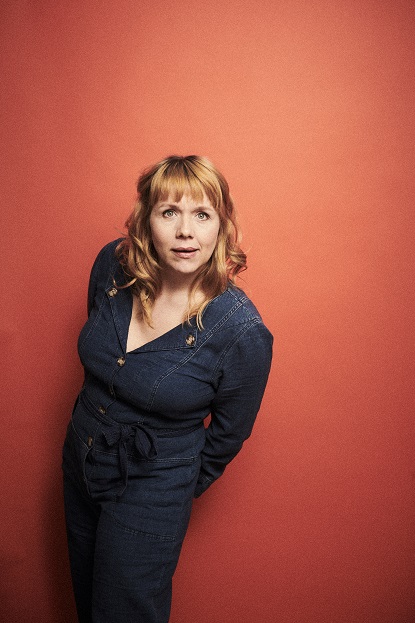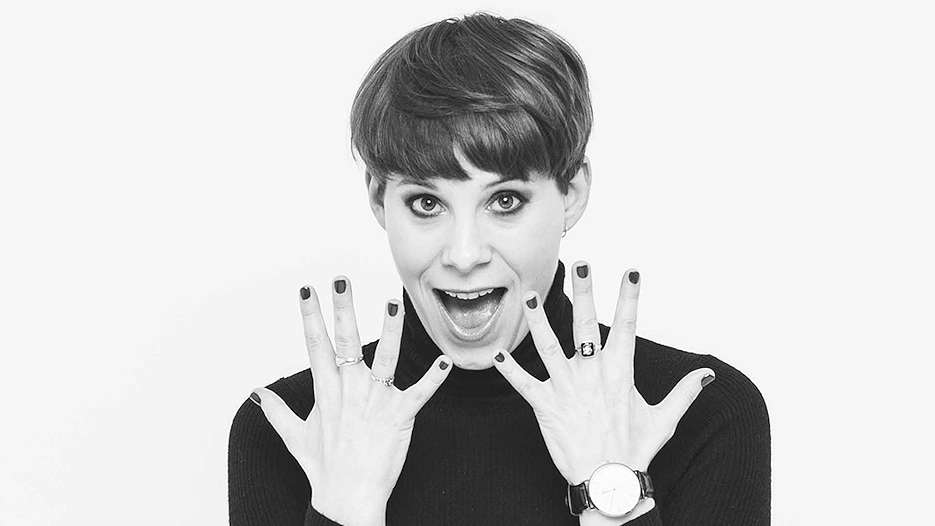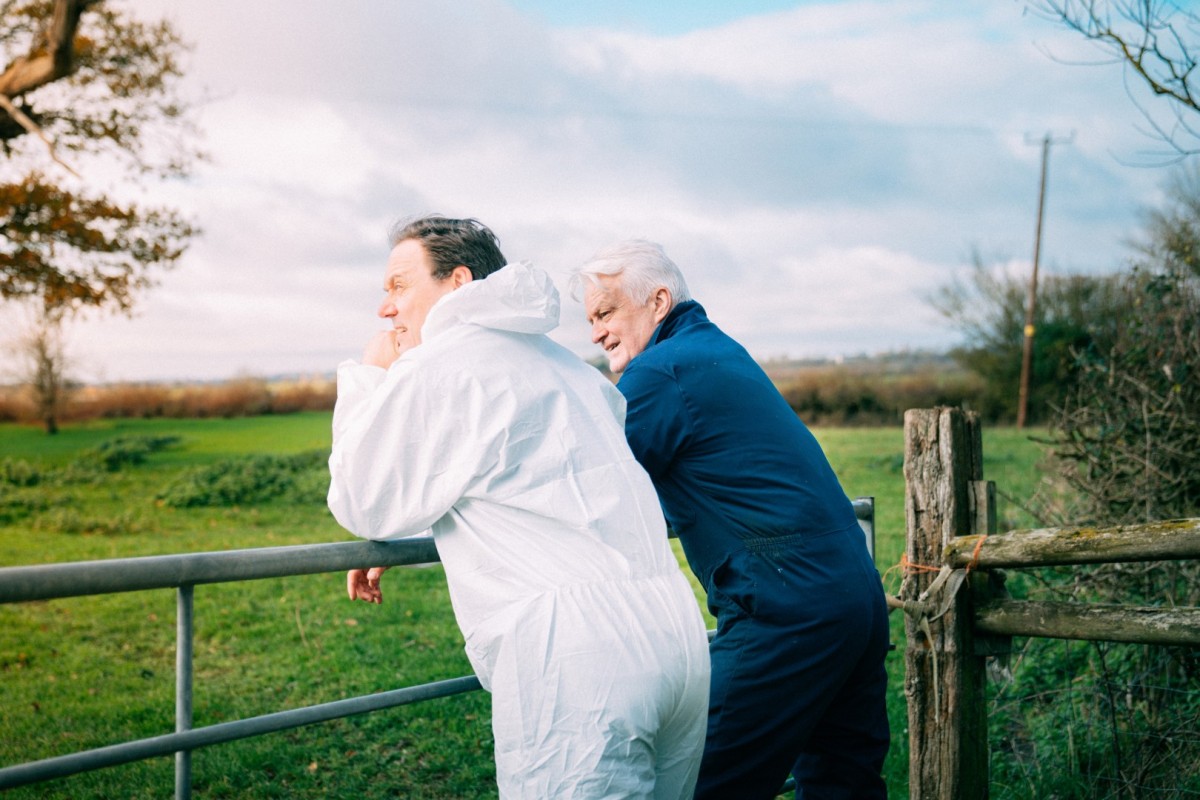
The resident company at Norwich’s Maddermarket Theatre is preparing a new production of Samuel Beckett’s Waiting for Godot. We caught up with the play’s director Phil Davey and theatre trustee Tony Fullwood to find out more.
Why have you chosen to perform Waiting for Godot?
Phil Davey, director: Last year’s successful Maddermarket studio production of Endgame indicated considerable interest in Norwich for Beckett’s work.
It addresses major issues of our time: not just power (ownership) and inequality, but also caring and dependence; the interactional status game playing of companionship; our physical vulnerability (especially our memories) and our moral obligations towards those who cry for help; our search for meaning in a secular world and the role of theatre in this search.
The play was described by a critic as one in which “nothing happens, twice”. Do you think that’s accurate?
Phil: There is plenty of action if eating a carrot is action. But a lot of the action is inaction if talking is inaction. A bit like Hamlet, without the bloodbath finale.
Productions have drawn in famous actors – McKellen and Stewart in the UK, and recently Keanu Reeves in the US. What were you looking for in the Maddermarket cast?
Phil: Mark Rylance said of acting a major Beckettian role that with Shakespeare plays characters have a past and a future and are moving towards an objective and that his preparation involved trying to find a need and a cause for everything, whereas with Beckett it was more liberating if he just played like a child.
I was looking for actors who would feel free to play with their role not in search of a character but of the various personae to be discovered in the text.
The show is the first Main Stage Lite show, in the main Maddermarket auditorium but with a limited audience. What’s the thinking behind this approach?
Tony Fullwood, trustee: We want to be able to present in our programming less obviously ‘popular’ titles (both older and very recent) that are of great dramatic merit but would not be expected to attract the size of audience we need for our mainstage shows.
Previously we have staged such titles – Pinter shorts, Endgame, Metamorphosis – in our studio. Though having small casts and simple staging, they have been successful but the studio ‘stage’ is small and we can only seat 40 people. All these shows have sold out under that arrangement so, the decision to trial this is partly driven by wanting to fit in more people.
The play is often performed with a sparse set. What can audiences expect from this production’s design?
Tony: Despite its small cast and simple staging, Godot is a physical play set in the open in an apparently empty world. A sense of space around these characters is important. Yet by curtaining off most of the auditorium, we hope to retain the intimate atmosphere.
Are there more plays planned for this approach?
Tony: This is an experiment so no more shows have been planned for this format yet but, if it is successful, when we choose the 2027 programme we will look out for further titles that would benefit. We are specifically offering that opportunity in our invitation to directors to propose plays for next year.
- Waiting for Godot is at the Maddermarket Theatre, Norwich from 11 February to 15 February 2026, tickets £10-£14.