
Norwich Castle – itself up for an award for museum of the year – was the host for this reflective evening looking how art is influenced by and shapes its surroundings.
Curated by the University of East Anglia’s Karina Aveyard, Norfolk and Norwich Festival’s first thinker in residence, the three part event featured a keynote from former Tate Modern director Frances Morris CBE, and a specially commissioned film by Aveyard and a poem by Polly Stevens.
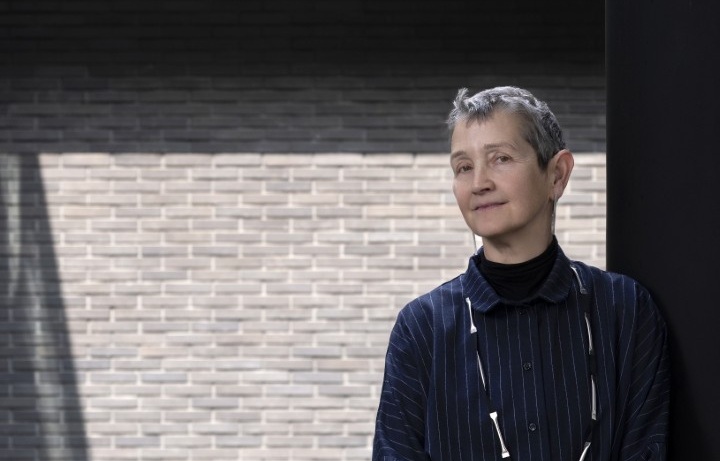
Morris focused on the Tate’s work to reflect community, both in a very targeted sense in engaging with local residents, and the global impact of climate change. She acknowledged sometimes inherent contradictions in modern museums, such as the need for fundraising driving relationships with fossil fuel companies like BP while its artistic direction may find such links troubling. Similarly she talked about four discourses that drive curatorship, including links with government – again with potential for priorities that don’t entirely gel.
But while she acknowledged the tensions she didn’t especially engage with them. In a whistlestop tour of initiatives we heard about the Tate Exchange programme of community work, a climate emergency declaration, and the removal of salmon from the Tate’s food menu, almost as if all the boxes were now ticked.
More interestingly she spoke about the Tate Modern’s evolving relationship with its giant turbine hall as a space for protest: unsettling at first when groups used it as a canvas without warning, morphing into a captured state where the institution not just permitted but actively arranged demonstrations to take place.
Action of a more direct sort was represented in Aveyard’s film on the 1914 Burston School Strike, a trade union cause célèbre. Norfolk village teachers Annie and Tom Higdon, were dismissed for poor behaviour: the official version being rudeness to managers, the unofficial being supporting local farm labourers to unionise. Many of their schoolchildren went on strike on their behalf, and together with local families – and as word spread supporters from around the world – they raised funds for an alternative school, which ran for 25 years.
The gentle film, focusing on artefacts in the museum the school became as well as the surround village, placed this international story firmly in Norfolk – illustrating the difference individuals can make, even a few dozen children in rural school.
That theme was reflected again in Stevens’ poem, challenging us not to see the scale of climate change as a barrier, but to choose to engage and make the changes we can, and perhaps be surprised by the results.
- Culture, The Environment & Social Transformation was at Norwich Castle as part of Norfolk and Norwich Festival on 21 May 2026.